

ASTM A312 and ASTM A358 are two of the standards most often quoted for stainless steel pipe in export enquiries. Both cover austenitic stainless grades such as 304/304L and 316L, but they address different product forms and inspection expectations. Specifying the correct standard prevents mismatch between the ordered pipe, the mill test certificate and the project code.
This comparison outlines the scope of A312 and A358, where each is typically applied, and the points to confirm on a stainless pipe order.
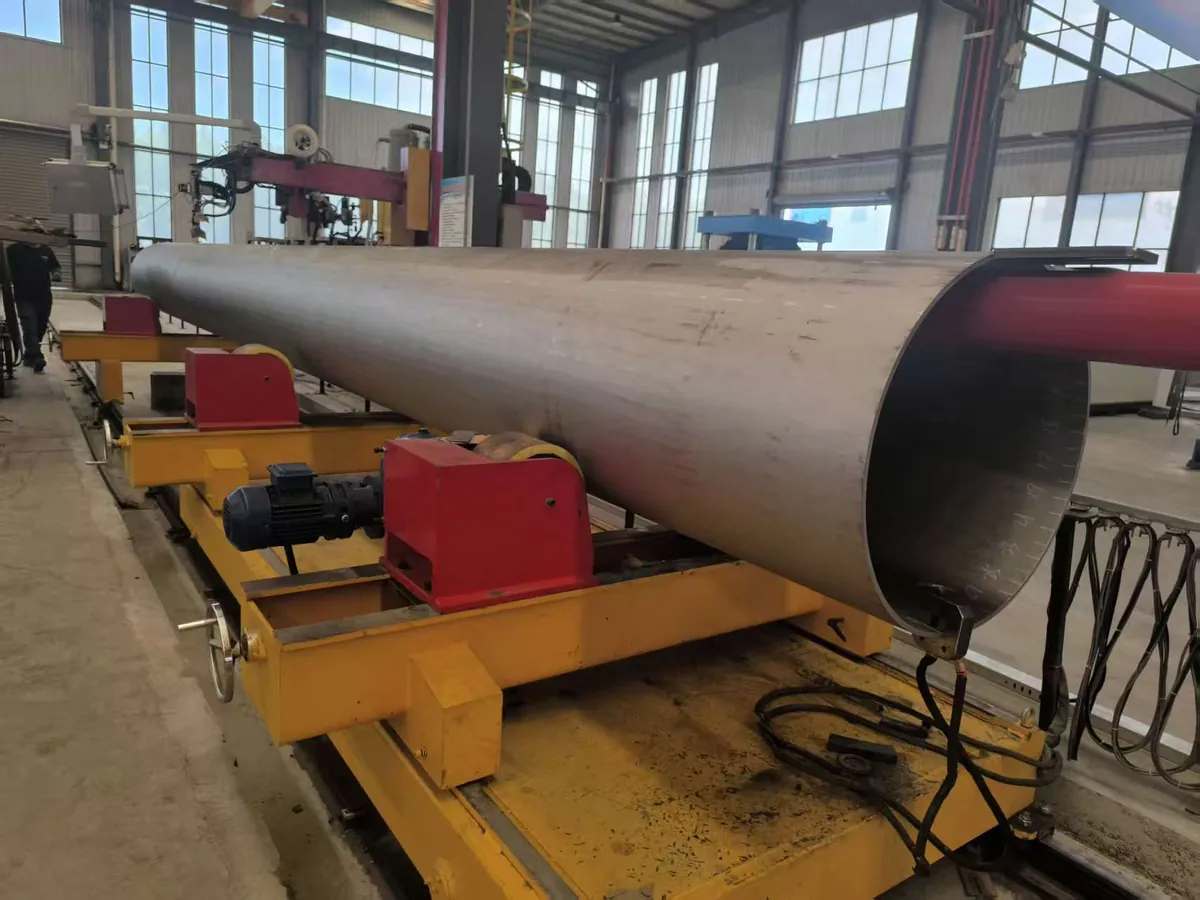
Table of Contents
- What ASTM A312 Covers
- What ASTM A358 Covers
- Key Differences at a Glance
- Testing and Inspection Expectations
- How to Select the Right Standard
- Frequently Asked Questions
What ASTM A312 Covers
ASTM A312 covers seamless, welded and heavily cold-worked austenitic stainless steel pipe for high-temperature and general corrosive service. It is a broad product standard commonly specified for process piping, plumbing, equipment and industrial lines. It covers a range of sizes and wall thicknesses and lists the applicable grades, heat treatment, chemical and mechanical requirements, and the permitted test options agreed on the purchase order.
What ASTM A358 Covers
ASTM A358 covers electric-fusion-welded austenitic chromium-nickel stainless steel pipe intended mainly for high-temperature service. Its focus is fusion-welded pipe for corrosive and high-temperature applications, with particular attention to the welded joint and the requirements relevant to EFW construction. A358 is typically referenced on welded stainless pipe destined for process, exhaust or high-temperature lines where the welded product form and service are stated clearly.
Key Differences at a Glance
- Product form: A312 accepts seamless, welded and cold-worked pipe; A358 is specific to electric-fusion-welded construction.
- Service focus: both address corrosive and high-temperature service, but A358 is framed around the EFW pipe and its weld, while A312 is the general all-form stainless pipe standard.
- Order details: which tests, certificates and inspection level apply are agreed between buyer and supplier in the purchase specification, within the limits of the chosen standard.
Testing and Inspection Expectations
Both standards define chemical analysis, tensile requirements and dimensional tolerances, and they allow agreed supplementary tests such as hydrostatic or NDT, intergranular corrosion testing, and impact or hardness tests where the service calls for them. On welded product, the weld area and weld inspection receive particular attention. The exact test set should be written into the enquiry rather than assumed from the standard number alone.
How to Select the Right Standard
Start from the project code or drawing, which usually states the required pipe standard and grade. If the line calls for general stainless pipe in any construction form, A312 is commonly specified; if it calls for fusion-welded stainless pipe for high-temperature service, A358 may be the referenced standard. When the drawing leaves the standard open, state the fluid, temperature, pressure and weld allowance, and confirm with the supplier or project engineer before ordering.
Frequently Asked Questions
Can one pipe be supplied to both A312 and A358?
Depending on the order and production route, welded stainless pipe may be produced to satisfy the requirements of more than one standard, but the certificate should reflect the standard actually agreed. Confirm both designations and their test requirements at order stage.
Does A358 apply to seamless pipe?
A358 is an EFW welded-pipe standard; seamless stainless pipe is normally ordered to A312 or another seamless-relevant standard. Match the product form to the standard rather than choosing by grade alone.
Conclusion
A312 is the broad austenitic stainless pipe standard across product forms, while A358 targets fusion-welded stainless pipe for high-temperature service. Getting the standard right protects the MTC, inspection and code compliance. Send your grade, size, wall and service conditions to Shiwang Pipe, and we will confirm the matching ASTM standard and inspection plan for your stainless pipe.