

Export packing and shipping are part of the pipe product, not an afterthought. Steel pipe that arrives rusted, damaged, mixed up or unmarked creates customs delays, inspection problems and warranty claims. A clear packing, marking and loading plan keeps the pipes identifiable, protected and ready for installation at destination.
This guide walks through how steel pipes are prepared for export, from surface protection and bundling to marking, loading and the shipping documents buyers should expect.
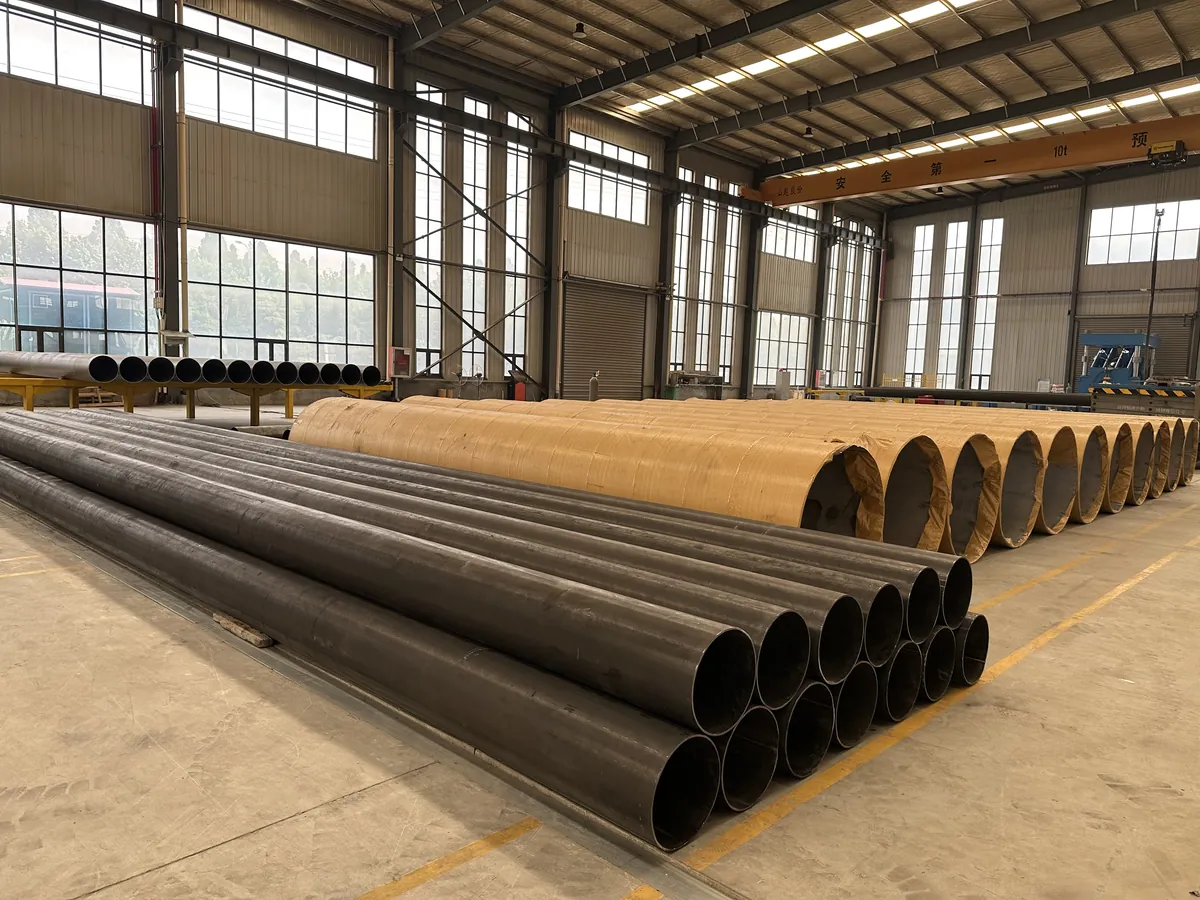
Table of Contents
- Surface Protection Before Packing
- Packing and Bundling Methods
- Pipe Marking and Labels
- Loading and Container Arrangement
- Shipping and Inspection Documents
- Frequently Asked Questions
Surface Protection Before Packing
Before packing, pipes are inspected for surface condition, cleaned of oil and debris, and protected against rust and mechanical damage during transit. Protection may include varnish or oil coating, plastic or woven wrapping, end caps for threaded or beveled ends, and separation between pieces to avoid surface rubbing. Polished or hygienic stainless steel pipes receive extra wrapping to prevent scratches and iron contamination during loading.
Packing and Bundling Methods
- Bundled small and medium pipe: tubes are strapped into bundles with separators, weighed and marked by bundle for easy counting.
- Large diameter pipe: large diameter carbon steel welded pipe pieces are supported on saddles or dunnage to keep the round section stable and prevent rolling.
- Protected ends: beveled, threaded or grooved ends are capped or covered so they are not damaged in transit.
Packing for carbon steel welded pipes is matched to the size, weight, finish and destination route; ocean freight, inland trucking and trans-shipment each place different demands on securing and cushioning.
Pipe Marking and Labels
Each bundle or pipe, including special alloy pipes, is marked with information that lets the buyer identify the material without opening every package: grade, heat or batch number, OD and wall, length, quantity, purchase order or contract number, and the supplier mark. Packing lists map bundle marks to the order, so cargo can be checked against the MTC and invoice. Marks should stay visible after wrapping and weathering.
Loading and Container Arrangement
Loading plans balance weight distribution, securement and space use. Bundles are stacked and strapped to prevent movement, heavy pieces are supported properly, and access is left for lashing and inspection. Over-length or over-width pipe may require open-top containers, flat racks or break-bulk shipment. The loading method is confirmed against pipe size, weight and the selected freight route.
Shipping and Inspection Documents
An export pipe shipment is normally accompanied by the packing list, commercial invoice, mill test certificates, and any inspection or third-party report required by the project. Shipping documents must match the pipe marks and MTC heat numbers so customs, the buyer’s inspector and the installation team can trace each batch. Confirm document language, certificate type and any special customs requirements at order stage.
Frequently Asked Questions
How are polished stainless pipes kept from scratching in shipment?
Polished or hygienic pipes are individually wrapped, separated from carbon steel pieces, and protected at the ends. Keeping stainless surfaces apart from carbon contact also prevents free-iron contamination during transit.
Can special packing or end protection be requested?
Yes. Buyers can specify coating, wrapping, end caps, bundle labels, seaworthy packing or a particular loading arrangement. State the requirement on the enquiry so it can be quoted and arranged before production finishes.
Conclusion
Good export packing, clear marking and correct documentation protect the pipe and make receiving and inspection straightforward at destination. If you need pipe for an export order, contact Shiwang Pipe with your size, grade, finish and destination, and we will arrange suitable packing, marking and shipment documentation.